
How to plan a live personalisation event
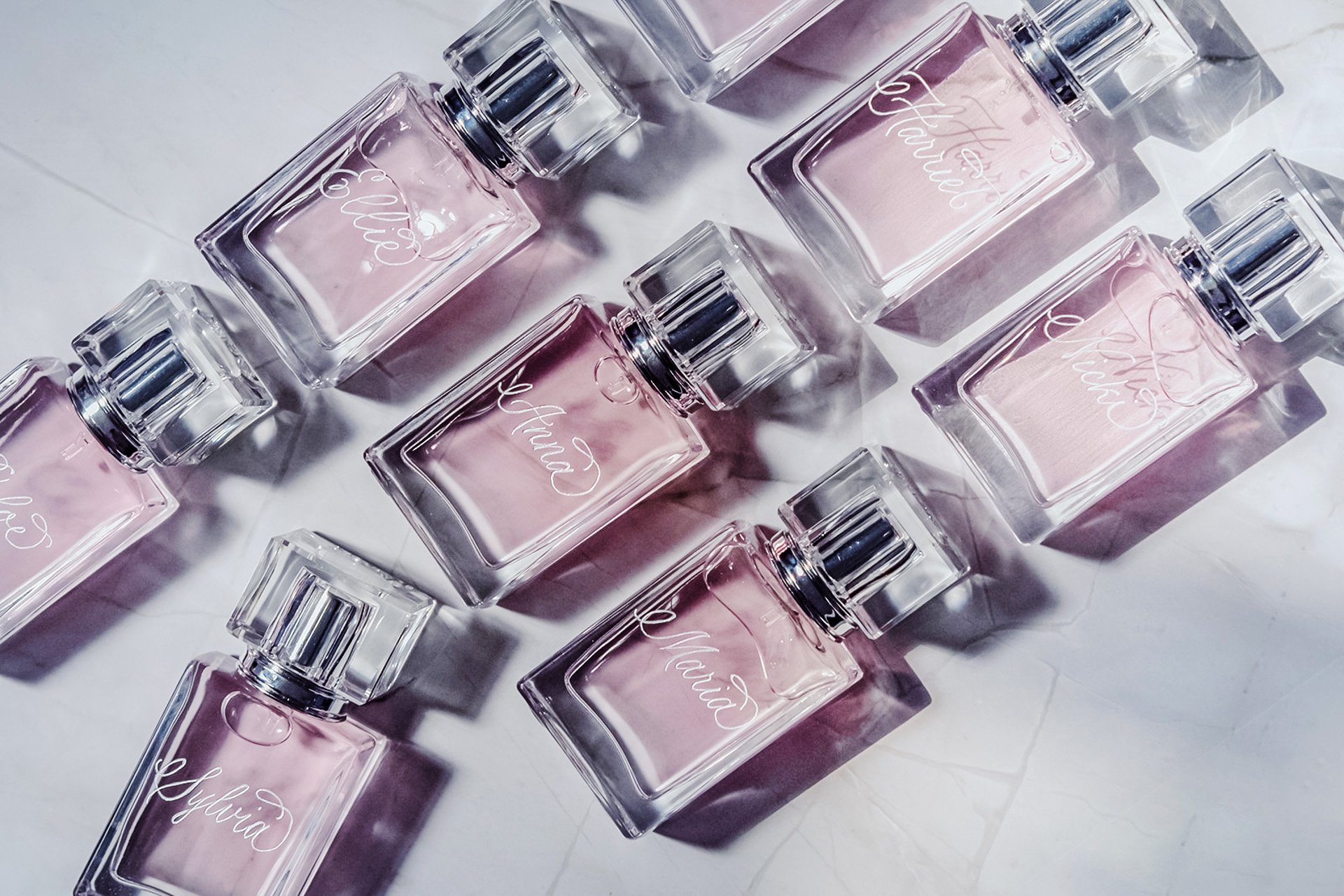
Offering personalisation is a great way to create excitement and leaves a tangible memento of the event. If this is the first time you’re offering personalisation you might be wondering how it all works.
The following ten questions will help you map out everything you need to know to plan an unforgettable experience.
1. What is your budget?
Being clear about your budget will help you assess what is realistic for your event. In the UK event artists typically charge a min of £300 for up to 4 hours and around £600-£900 for a full day event. Premium services, such as product painting or on-site illustration, usually cost more and more experienced artists charge higher rates.
Prices are a little bit higher in London compared to the North. ravel and accommodation expenses may also be included.
2. What products would you like to personalise?
Whether you have a specific product in mind, or you are looking for ideas, rest assured that most products can be personalised in some way. The type of personalisation may be different and will depend on the surface of the product or sometimes its contents. (More: What can be engraved live→)
An experienced personalisation artist will be able to advise which is best in your case. Here are the most common options for personalisation:
Calligraphy creates a warm and personal feel on paper gift tags and cards, but also works great on plastic, acrylic, glass or even leather and fabric.
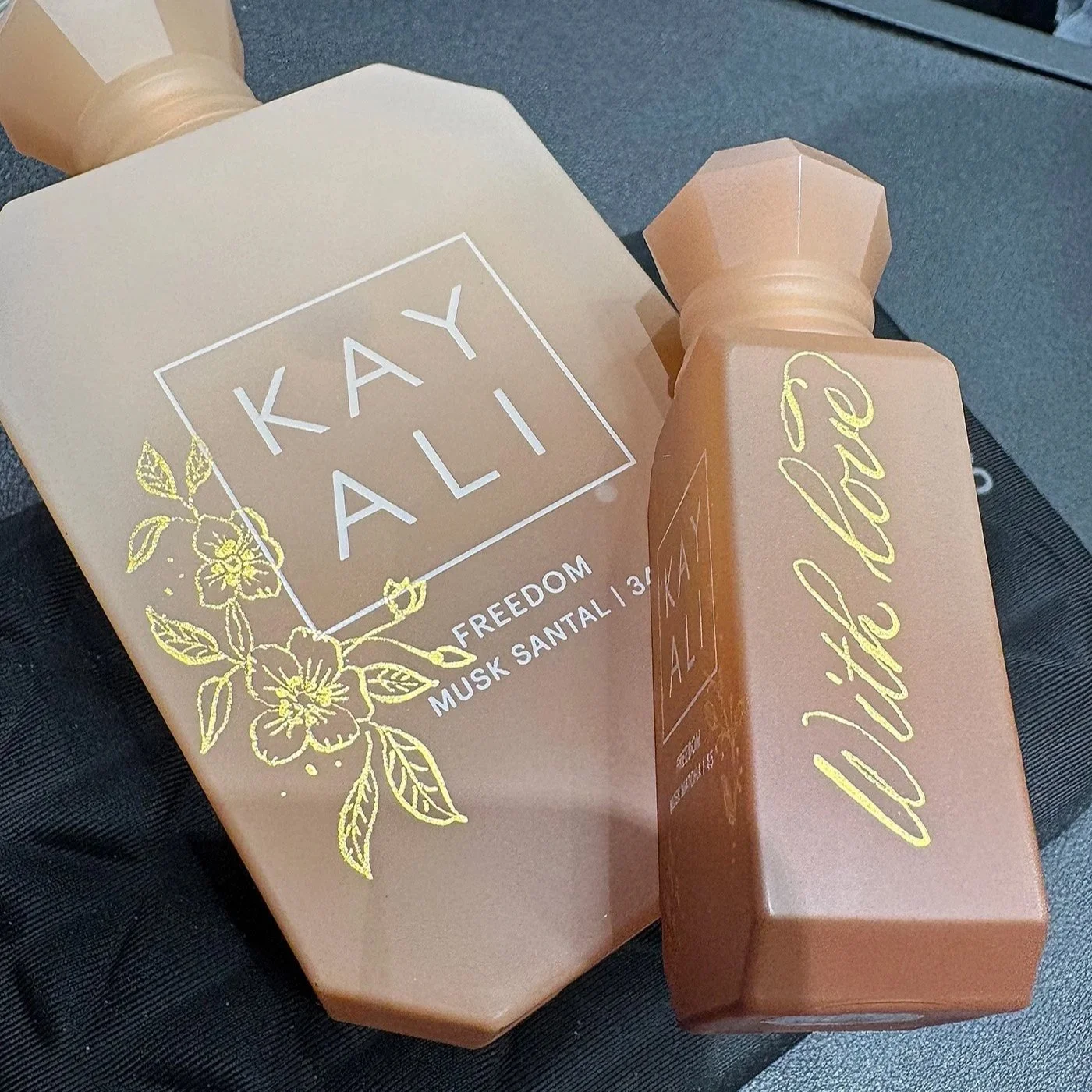
Engraving leaves a permanent mark on surfaces such as glass, metal, plastic, stone or even wood. Fizzy drinks (champagne), pressurised or flammable containers must never be engraved, but they could be calligraphed instead.
Hot foiling (also known as gold foiling) leaves a permanent mark on leather, paper or some fabrics, with a sumptuous metallic shimmer.
Wood burning is a similar process for wooden surfaces but without the metallic effect.
Product painting - a high end artistic experience that’s compelling to watch. Using durable acrylic paints the artist can decorate glass, wood and metal surfaces.
If you are not sure how your product will ‘behave’ under the bur or brush, consider booking a test sample. Not only will you see exactly how the personalisation will look, but this will help troubleshoot any potential problems ahead of the event.
3. How many items would you like personalised?
What is achievable depends on the type of personalisation and the length of the event. For very busy or shorter events, if you want to offer personalisation to all of your guests, consider booking several artists or have the products personalised in advance. Many artists offer in-studio service and can ship the ready items back to you.
4. What is the event timeline and how will the personalisation fit into that?
To create a seamless experience, consider the following questions in the context of your venue and schedule. This will help you avoid any hold ups.
How do guests move through the event space and discover the personalisation?
Will the personalisation be offered throughout the event or only for some of it?
How will personalisation requests be taken?
How and when will the ready items be collected?
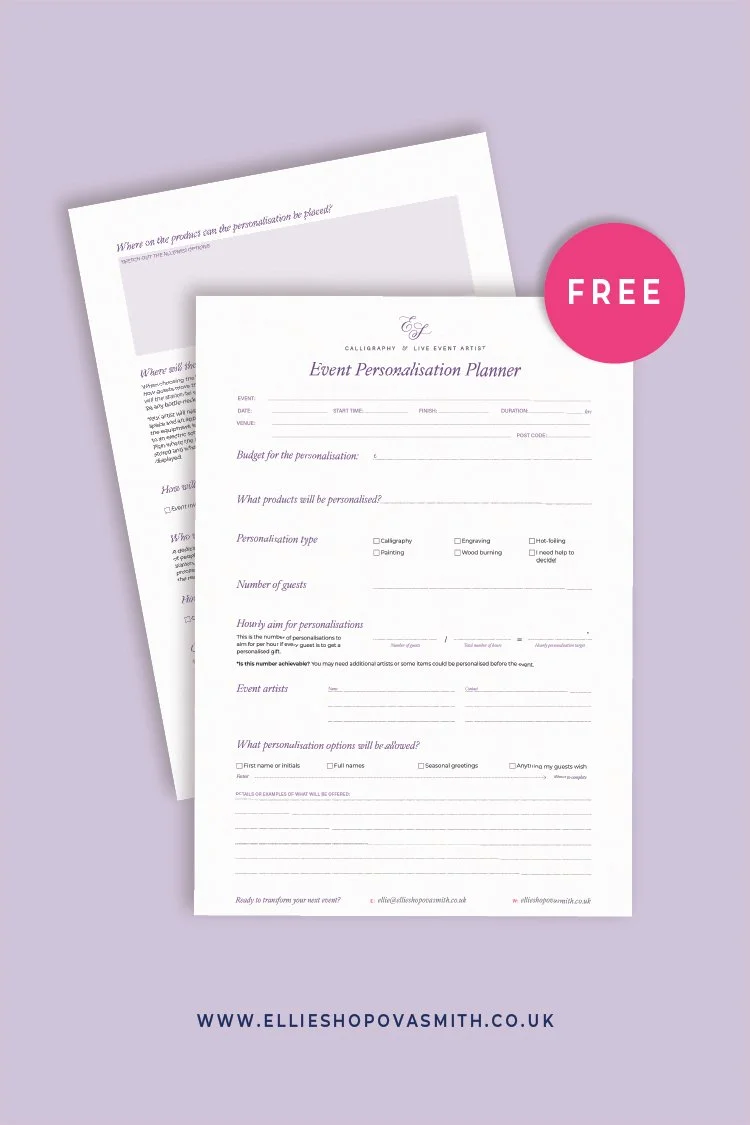
Download the FREE Event Personalisation Planner
Plan the perfect personalisation event, avoid any pitfalls and get your guests talking about your event long after it’s finished!
5. Where will the personalisation station be located and how much space is needed?
Once again think about the natural flow of people during the event. Some things to consider:
Will the artist be seen?
Will they be able to work safely – stable worktop, light, not too crowded?
Is there enough space for the artist to work?
Where will the personalisation requests be taken?
Where will the ready items be displayed and can they be collected easily?
Are there any electrical sockets? While the equipment is usually cordless, easy access to an electric socket is always a good idea.
ELLIE’S TIP
Position the personalisation station in front of a wall. This stops guests approaching from all sides and creates a safer, more predictable flow of people. Guests love watching the personalisation however leaning over the artist can result in interruptions or even small accidents.
6. What personalisation options will be available?
Will you allow names or initials only or perhaps seasonal greetings? Or, will you allow completely open-ended requests? Your choice has a big impact on the overall experience.
If you’d like to offer personalisation to as many guests as possible keep the options limited. Deciding in advance what is allowed cuts the decision time for each guest and keeps the energy up and the flow of people moving.
Allowing too many options or completely open ended requests naturally slows the process down. This may is best suited for smaller gatherings and premium events.
7. Where on the product will the personalisation be placed?
This may be dictated by the available space on the product. Or, if the product is branded, the positioning may be determined by the brand guidelines.
Even without any restrictions, it is worth specifying the placement. The products will appear in photos of the event – consistency looks good and shows attention to detail.
If your event lasts several days or is across multiple locations, keeping the placement of the personalisation the same will ensure consistent look across photography from different days, locations or artists.
8. Who will assist at the personalisation station?
A dedicated assistant guides the flow of people through the personalisation station. They explain the personalisation process, take down requests and return the ready items. This is particularly helpful for busy events. The guest experience will be smoother and the artist will work better with less interruptions – a win-win!
9. What is the social media plan?
Will filming and posting on social media be allowed? Are there event hashtags or accounts that must be tagged? Share these with your artist and guests to multiply the marketing impact.
Most events actively encourage artists to create and share content during the event. If this is not the case and you need to keep things private, make sure to let the artist know.
10. What’s the dress code?
Artists usually wear all black for live events. If your event has a specific theme or dress code discuss this with your artist.
Conclusion
No two events are ever the same but keeping these questions in mind when planning your next event will help you create a seamless and memorable experience for your guests.
Planning a brand activation or corporate launch
in Manchester, Leeds or the North of England?
Let's make it unforgettable!
Email me →

Considering live personalisation for your next brand activation or corporate event? From mapping out space and guest flow to budgeting and choosing between calligraphy, engraving, or hot foiling, these 10 essential questions will help you plan a seamless experience your guests won't stop talking about.